
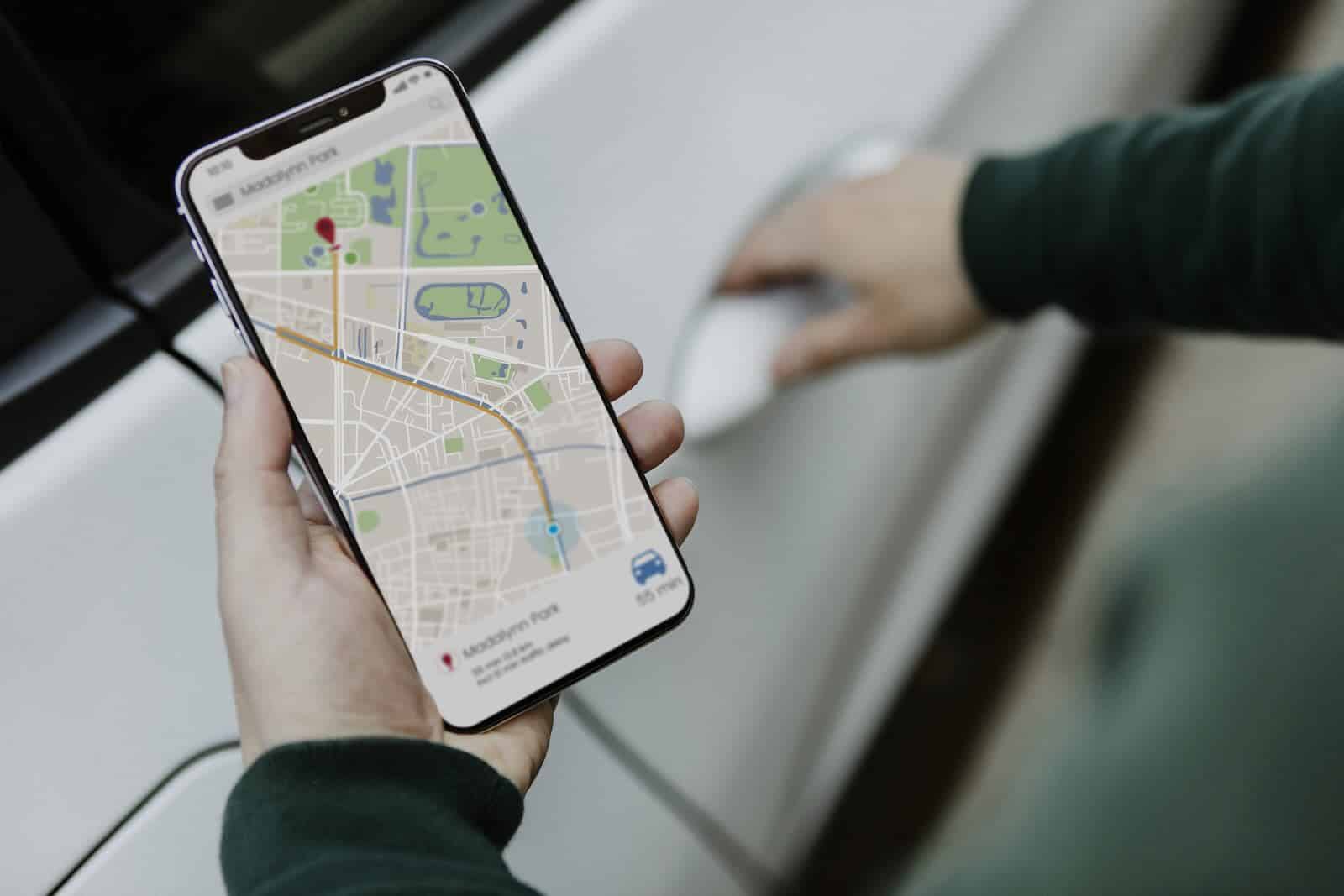
When someone in your town searches for what you sell, Google no longer opens with ten blue links. It opens with a map and three business profiles. That block is called the local pack, and for local businesses, it is the most valuable real estate in Google’s local search results. Google Maps SEO is the process of optimizing your Google Business Profile to appear in the Google Maps local pack and Google Maps search results, putting you in front of potential customers with clear local intent and often driving more local customers, leads, and foot traffic faster than traditional SEO alone.
At The Active Media, we love the map for a simple reason. Local map rankings play by different rules. Google ranks businesses based on relevance, distance, and prominence, so a small-to-mid-sized business or entrepreneur can improve local visibility and rank higher without needing the biggest brand or the biggest website. A solid Google Maps SEO strategy includes claiming and verifying your profile, choosing the right primary and secondary categories, keeping your business information consistent across search engines, building and managing reviews, staying active with updates, avoiding common local ranking mistakes, and measuring what actually improves Google Maps and local search rankings.
That work gets even stronger when supported by a thoughtful overall SEO strategy, because your Google Business Profile, website optimization, and PPC management can reinforce each other across local and organic search results. Here is how we approach it.
Start by claiming and verifying your Google Business Profile
You cannot rank a profile you do not control. Search your business name, claim and verify your Google Business Profile account, and if you see an option to take ownership of the Google Maps listing, make that your first job. An unclaimed profile can be edited by the public, which means your business hours, address, phone number, and other business details are sitting there waiting for a stranger or a competitor to change them. Claim it, verify it, and lock the doors. A verified profile is 2.7 times more trusted by customers and can increase in-person visits by 70%.
Google ranks businesses based on relevance, distance, and prominence, so complete, accurate info tied to your physical location helps your profile match relevant searches and supports stronger local search rankings.
Get your primary category right
This setting quietly decides which searches you show up for, and it is the one businesses most often get lazy about. Google leans heavily on your primary category to help your business profile match relevant searches. A clinic that picks “Medical Spa” competes for very different searches than one that picks “Hormone Therapy Clinic,” and choosing a precise primary category improves your business’s local relevance (just like an Italian restaurant category would). Choose the primary category that reflects the service you most want to be found for to capture relevant searches, then add every relevant secondary category. We have seen businesses climb in the map pack from this one fix alone, and it takes about a minute while also supporting Google Maps rankings by aligning the profile with search intent.
Make your name, address, and phone consistent everywhere
Google is constantly cross-checking your business information across your website, your profile, local citations, and online directories it can find. When your phone number is formatted three different ways, and your address is missing a suite number on half of them, Google gets less confident about who and where you are. A consistent address and phone number across local directories signals legitimacy to search engines and improves local search rankings. That lack of confidence costs you rankings. Pick one exact format for your name, address, and phone number, and use it everywhere. Create a master record of your business details and use it across every business listing and industry-specific directories. Mismatched details can cost trust fast—80% of consumers lose confidence over inconsistent information, and that hurts local businesses trying to earn clicks from potential customers in local search results. And resist the urge to cram keywords into your business name on the profile. It violates Google’s guidelines, and competitors do report it—and promises from shady providers that these shortcuts are “how SEO works” are one of several warning signs of an SEO scam.
Build a review engine, not a review wish
Reviews are the biggest lever in Maps ranking that you directly control, and they do two jobs at once. They influence where you rank, and they decide whether the person looking at the map picks you or the business above you. A profile with 4.8 stars and two hundred reviews beats a 5.0 with four, because Google reviews with stronger volume and recency signal a business people actually use and can improve the business’s local ranking, and for law firms that kind of social proof is a core part of optimizing a legal website for local search.
The mistake is treating reviews as something that happens to you. Treat them as a process instead. Turn your Google review link into a QR code and a same-day text message. Ask one or two happy customers a day, in person, at the moment they are most satisfied. That steady trickle compounds into a review profile your competitors cannot catch. More reviews and fresh ones strengthen prominence and support local ranking. Two rules keep you safe: never buy reviews, and never route your happy customers to Google while funneling unhappy ones to a private form. Google is wise to both, and a wall of nothing but five-star reviews reads as fake to real people anyway.
Then respond to them within a day or two. All of them. Thank the positive reviewers, and answer the critical ones calmly, like a professional solving a problem, including negative reviews. Responding to reviews increases customer trust by 1.7 times. When customers naturally mention services or locations, that language can reinforce topical relevance. Every future customer reads how you handle the hard ones, and a great response to a bad review earns more trust than a dozen glowing ones.
Keep the profile active
A Google Business Profile is not a billboard you set once. Treat it like a channel. Add high-quality photos of your space, team, and work every month, because high-quality photos make your Google Maps listing more trustworthy and support local visibility better than a profile showing only a logo. Use the Posts feature to publish offers and updates. Add your products and services with descriptions, then complete business hours and other details so your profile stays current with accurate info. Fill out the Q&A section with your own most common questions before someone answers them incorrectly for you. A stronger Google Maps presence comes from active updates, detailed business info, and better Google Maps visibility. Freshness signals that you are open, active, and worth showing, and pairing it with the right stack of free marketing tools and SEO resources makes staying consistent a lot easier.
Avoid the four mistakes that quietly sink local rankings
First, keyword stuffing your business name, which we covered and which can get you reported. Second, adding a call tracking number that does not match your name, address, and phone everywhere else, which undercuts the consistency you are working to build in your Google Maps listing. Third, letting the profile go stale with old photos, inaccurate business hours, or missing details instead of keeping it complete and accurate, which can hurt Google Maps visibility. Fourth, and most common, unknowingly running duplicate profiles that split your reviews and confuse Google, especially for businesses with multiple locations; stale or duplicate listings can also weaken local signals. Search for duplicates and merge them, or hand the cleanup to a team that offers full-funnel digital marketing services alongside local SEO.
Measure what the work is doing
Google Business Profile insights are built into your profile and genuinely useful. You can see how many people found you through a direct search for your name versus a discovery search for your category, which tells you whether your category, business description, and use of relevant keywords are paying off in local search results. You can track calls, website clicks, and direction requests month over month, and pair that data with Google Search Console to measure visibility in organic search results, local queries, and overall local search rankings. Direction requests are our favorite signal, because someone asking how to get to your door is about as high-intent as it gets, and they make a strong case for ongoing monthly SEO services instead of one-and-done tweaks. When you tighten your category or your reviews climb, you will watch discovery searches and direction requests rise with them. Use that data to refine your local SEO strategy and Google Maps SEO strategy, including which relevant local keywords you use on location pages, title tags, and meta descriptions; use long-tail keywords in metadata where appropriate to support technical SEO and improve search visibility.
The map gets you into the race. Your site wins it.
Google Maps SEO is the fastest lane to local leads, but it is not the whole vehicle. Unlike traditional seo, it works alongside your website to support both Google Maps placement and organic search results. The profile puts you in front of the searcher. The traffic it sends lands on your website, and if that site is fast, clear, and built to convert, it turns those clicks into booked jobs. Strong technical seo, clear title and meta copy with local keywords, and a value-driven business description help reinforce that performance. Create dedicated SEO location pages for each service area, embed your Google Maps location on the contact page to support your physical location and local search results, and then add conversion-focused PPC campaign management. The two work together. Get the map right first, because it is free, it is quick, and right now your profile is either working for you or working against you. There is no neutral setting.
If you want help auditing your Google Business Profile, cleaning up your local listings, earning local backlinks from community organizations, and building a review engine that runs without you, that is exactly the kind of work our digital marketing agency at The Active Media does every day. We help local businesses incorporate local keywords after researching relevant local keywords, and our google maps seo services are built to improve Google Maps visibility through practical Google Maps marketing. You can also see how we approach SEO, web design, and PPC as a full-service Utah-based agency, whether you need a google maps seo company strategy or support for the Google Maps app. Reach out at theactivemedia.com and let’s get your competition in your rearview mirror.