Let’s be real: most businesses don’t have a Moz problem. They have a strategy problem. They’ve got access to powerful SEO tools — and no idea how to act on what those tools are telling them.
Moz is one of the most trusted platforms in the SEO industry, and we use it as a core part of our technical toolkit at The Active Media. But a tool is only as good as the strategy behind it. Think of Moz like putting your site on a lift and running a full engine diagnostic — you still need a mechanic who knows what they’re looking at.
This guide breaks down what Moz does, where it fits into a serious SEO strategy, and what it actually takes to move the needle. If you want a guaranteed shortcut to page one, this isn’t that article. But if you’re ready to understand your site the way search engines do — keep reading.

What Is Moz — And Why Does It Matter?
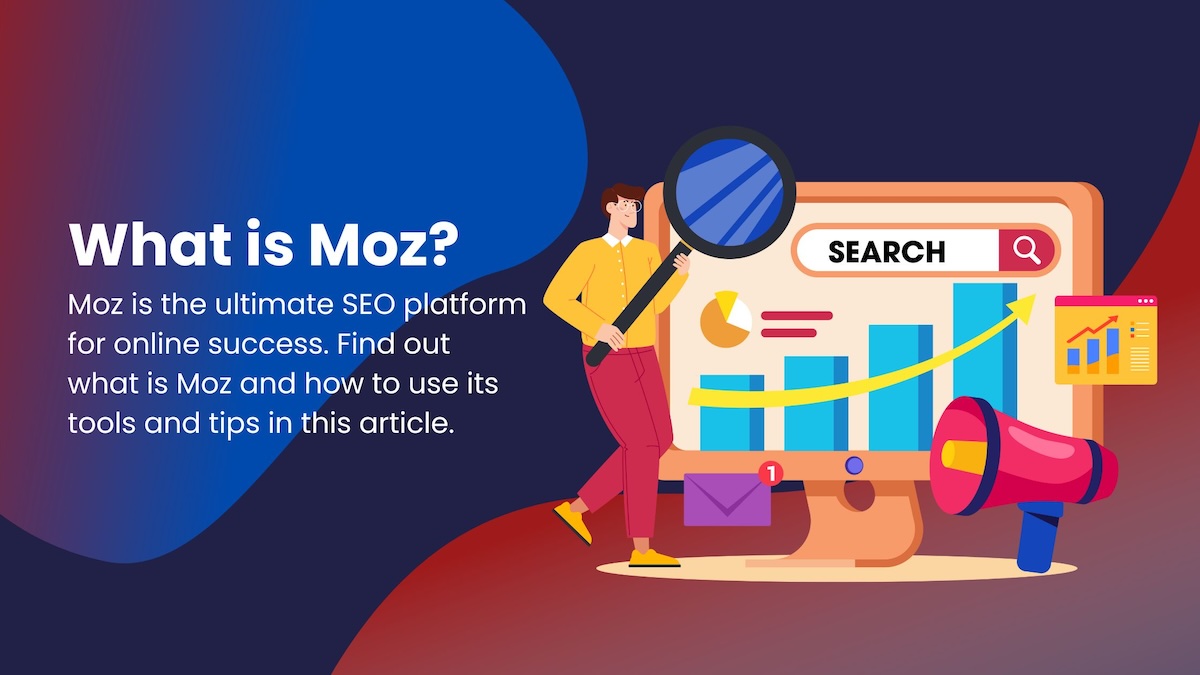
Moz is a software platform built to help businesses improve search engine visibility and grow organic traffic. It’s trusted by over 500,000 marketers worldwide because it surfaces the data you’d otherwise spend hours trying to compile manually.
SEO isn’t a one-time project. It’s an ongoing process of research, analysis, monitoring, and adaptation — because search algorithms evolve, competitors shift, and your site’s technical health changes over time. Moz gives you a structured way to stay on top of all of it.
You can’t just create content and expect it to rank. Ranking requires strategy, structure, and the right signals — and Moz helps you see exactly where those signals are missing.
— Amber Goetz, The Active Media
Moz Pro: The All-in-One SEO Suite
Moz Pro is Moz’s flagship product. It covers the full SEO lifecycle — crawl, content, competitive analysis, and reporting — and it’s the tool we use most frequently in client work.
Keyword Research & Search Intent
Moz Pro’s Keyword Explorer surfaces high-impact keyword opportunities alongside the intent behind each search. Ranking for the wrong keywords brings traffic that never converts. We tie every keyword recommendation back to what the business actually needs — leads, sales, and qualified pipeline. Not just clicks.
Competitive Analysis
Compare your site head-to-head with up to three competitors across Domain Authority, organic traffic, ranking keywords, and backlinks. This is where most audits get interesting. We regularly find brands with solid content being outranked by competitors with technically stronger site architecture — a gap that is absolutely fixable once you can see it clearly.
Site Crawl & Technical Audit
Moz Pro’s Site Crawl identifies what’s blocking your rankings: broken links, duplicate content, crawlability issues, slow load speeds, missing structured data. This is the diagnostic phase — your site’s engine check. At The Active Media, we run structured crawls at the start of every engagement and quarterly thereafter to catch issues before they cost you rankings.
Rank Tracking & Reporting
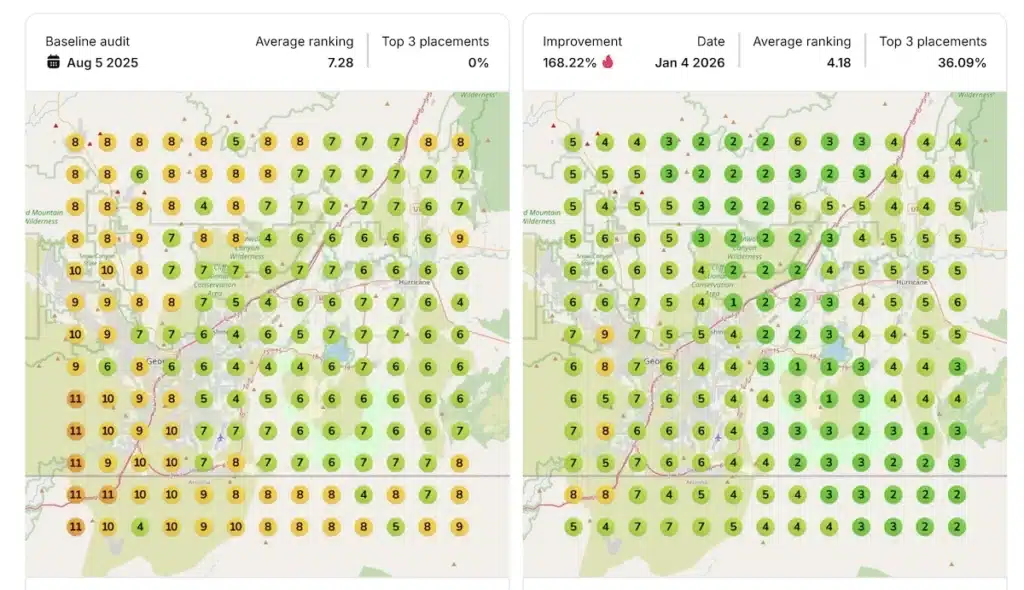
Track keyword rankings across search engines, devices, and locations. The goal isn’t vanity metrics — it’s revenue-tied performance data. We build reporting that shows clients exactly what’s working, what’s moved, and where the next opportunity is.
Moz Local: Visibility Where It Counts
For businesses with a physical presence — or those competing in geographic markets — local search is non-negotiable. Moz Local manages your listings across Google, Facebook, and dozens of other directories, ensuring your location data is accurate and consistent everywhere it appears.
Inconsistent NAP data (Name, Address, Phone) is one of the most common and most overlooked technical SEO issues we find in local audits. Moz Local solves this systematically. It also supports reputation management: monitoring reviews across platforms, enabling timely responses, and tracking sentiment over time.
For brands with multiple locations or regional targets, this layer of the strategy matters more than most people realize.
Moz AI & API: Where the Platform Is Heading
Moz has been building AI-powered capabilities into its core tools — most visibly in Domain Overview and Keyword Suggestions — using natural language processing to surface intent signals and competitive insights faster than traditional methods allow.
The Moz API gives developers and agencies programmatic access to Moz’s metrics: Domain Authority, Page Authority, Spam Score, and more. For agencies operating at scale, this is where Moz becomes genuine infrastructure — integrated into custom reporting dashboards, client-facing analytics, and automation workflows — rather than just a research tool.
How to Actually Use Moz Effectively
Here’s the setup sequence that works — and the order matters:
- Connect your analytics. Google Analytics or equivalent. No data, no decisions.
- Set up Google Search Console. This is how you see what Google sees. It’s non-negotiable.
- Run your first site crawl. Surface the technical issues before you touch anything else.
- Do keyword research tied to intent. Not just volume — what does your audience actually want when they search?
- Track rankings from day one. You need a baseline to measure progress against.
Once the foundation is in place, advanced strategy follows: competitive gap analysis, content architecture planning, search intent optimization, and link acquisition. Each layer builds on the last.
The Bottom Line
Moz is a powerful platform. Used properly, it surfaces the exact data you need to make smart SEO decisions — technical issues to fix, keywords to target, competitors to outmaneuver, and rankings to track.
But here’s what no platform can do: build your strategy, interpret data in the context of your specific business, or execute the work. That’s where experienced hands matter.
At The Active Media, we use Moz as one of several precision instruments in our technical SEO practice — alongside Google Search Console, Screaming Frog, PageSpeed Insights, and custom analytics frameworks. The tools are only as valuable as the expertise behind them.
FAQ
What is Moz used for?
Moz is a comprehensive SEO platform with tools for keyword research, site auditing, rank tracking, competitive analysis, backlink analysis, and local listing management. It’s one of the most established and trusted SEO platforms available, used by over 500,000 marketers worldwide.
What is Moz Pro best for?
Moz Pro is particularly strong for site health audits, keyword research tied to search intent, and competitive analysis. It’s a solid foundation for any serious SEO program — especially when paired with a clear strategy and someone who knows how to act on what the data shows.
Is Moz good for local SEO?
Yes. Moz Local specifically addresses local search needs — managing listings, ensuring NAP consistency across the web, monitoring reviews, and tracking local visibility. For multi-location brands, it’s an efficient and reliable tool.
Can Moz guarantee SEO results?
No tool can guarantee rankings — and any agency that promises otherwise is selling you something you don’t want to buy. Moz gives you the data to make better decisions. Results come from strategy, execution, and time. At The Active Media, we focus on what actually moves the needle.
What is Domain Authority?
Domain Authority (DA) is Moz’s proprietary score predicting how likely a site is to rank in search results, based primarily on the quality and quantity of inbound links. It’s a useful comparative metric — especially for competitive analysis — but it’s one signal among many, not a ranking guarantee.