
With organic search driving 53% of all website traffic in 2025, having a structured approach to search engine optimization has become essential for business success. Yet many companies struggle to understand the difference between various SEO service offerings and how to choose the right approach for their specific needs. Understanding your unique SEO needs is crucial for selecting the most effective plan.
An SEO plan represents a comprehensive, strategic framework designed to improve your website’s search engine rankings through systematic optimization efforts. Unlike one-time SEO audits or scattered optimization activities, these plans provide ongoing, coordinated services that build momentum over time to deliver sustainable results. A well-structured SEO plan should be integrated into your overall online marketing strategy for maximum impact.
This complete guide will walk you through everything you need to know about SEO plans, from understanding different package types to measuring success and avoiding common pitfalls. Whether you’re a small local business or a growing enterprise, you’ll learn how to evaluate, select, and maximize the value of search engine optimization services. SEO is a core component of digital marketing, working alongside channels like PPC and social media to drive business growth.
What Are SEO Plans and Why Your Business Needs One
SEO plans are structured packages of optimization services designed to improve search rankings through coordinated, ongoing efforts rather than isolated tactics. These comprehensive programs combine technical improvements, content creation, and authority building to create sustainable organic growth for your business.
Unlike one-time SEO audits that simply identify problems, or ad-hoc services that address individual issues in isolation, SEO plans provide systematic approaches that build upon previous work. Each component reinforces others, creating compound effects that deliver stronger results over time.
Key benefits of implementing a structured SEO plan include:
• Increased organic traffic – Businesses with SEO plans see 53% more website traffic than those without coordinated optimization efforts • Higher search visibility – Systematic optimization improves rankings across multiple relevant keywords simultaneously • Improved conversion rates – Plans that align SEO with user intent typically increase qualified traffic that converts at higher rates • Cost-effective marketing – Organic search provides better long-term ROI compared to paid advertising channels • Sustainable competitive advantage – Consistent optimization efforts help maintain market position against competitors
The strategic nature of SEO plans means they address both immediate opportunities and long-term market positioning. Rather than chasing quick fixes, these programs build solid foundations that support ongoing growth and adapt to search engine algorithm changes. Effective SEO plans are also tailored to your target audience, ensuring that optimization efforts resonate with the right customers and drive meaningful business results.
Types of SEO Plans Available
Understanding the different categories of SEO plans helps you select services aligned with your business model and target market. Each type addresses specific challenges and opportunities based on how and where you compete for customers. SEO consulting services can help businesses assess their needs and choose the most suitable SEO plan.
Local SEO Plans
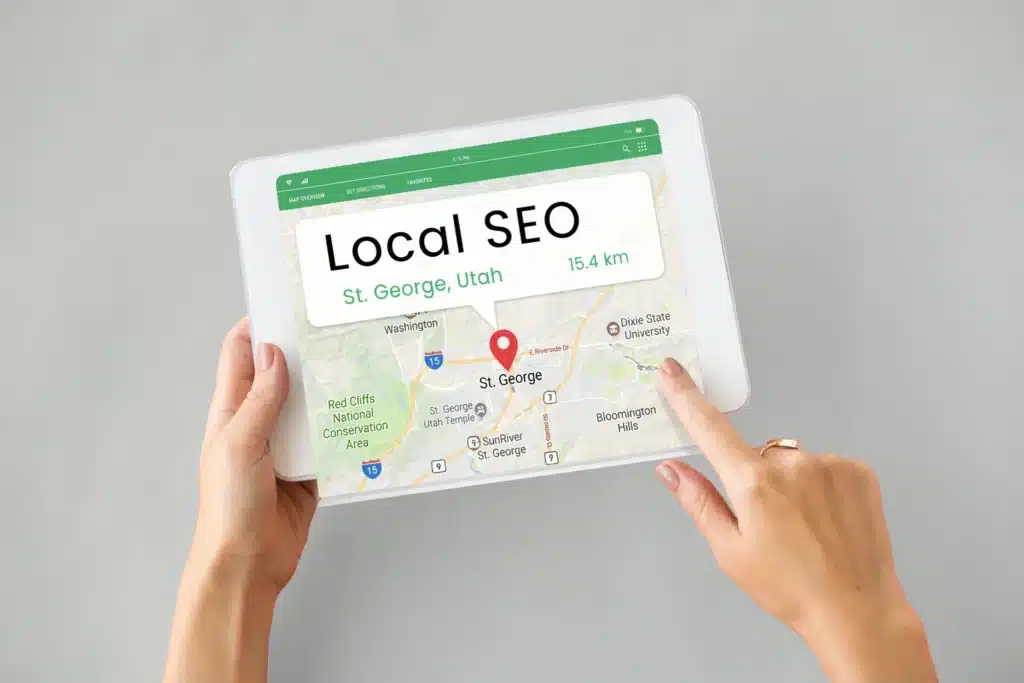
Local SEO plans are designed for businesses targeting customers within specific geographic areas, making them ideal for service providers, retailers, and professional practices serving local markets.
These specialized packages focus on geographic relevance signals that help your business appear in “near me” searches and local map results. Local SEO focuses on optimizing your online presence for specific regions and communities, distinguishing it from national SEO strategies. Local SEO requires different tactics than national optimization, emphasizing proximity, reputation, and community engagement factors.
Key components of local SEO plans include:
-
Google Business Profile optimization with accurate NAP (Name, Address, Phone) information
-
Local citation building across directory sites like Yelp, Yellow Pages, and industry-specific listings
-
“Near me” keyword targeting that captures location-based search intent
-
Review management strategies to build positive online reputation
-
Local content creation and local SEO services highlighting community involvement and regional expertise
Local SEO plans work particularly well for restaurants, law firms, medical practices, home service providers, and retail stores. The geographic focus allows for more targeted optimization that directly connects with customers in your service area. Local SEO targets customers who are searching for products or services within their immediate vicinity, making it essential for attracting nearby clients.
Typical investment ranges from $800-$2,500 per month depending on market competition and the number of locations being optimized. Markets with intense local competition, such as legal services in major cities, require higher investment levels to achieve meaningful results. Effective local SEO makes it easier for potential customers to find businesses like yours when searching online.
National SEO Plans
National SEO plans are built for businesses competing across multiple states or nationwide markets, requiring strategies that work at scale across diverse geographic regions and demographic segments. These strategies are designed to increase your site’s reach and authority on a national scale.
These comprehensive programs focus on high-volume, competitive keywords with national search intent. Success requires extensive content creation, advanced technical optimization, and sophisticated authority building to compete against established national brands. Additionally, national SEO focuses on developing regionally relevant content and industry insights to improve rankings across multiple locations.
National SEO strategies typically include:
-
High-volume keyword targeting across multiple product or service categories
-
Extensive content libraries that address diverse customer needs and questions
-
Advanced technical SEO to handle large site architectures and complex user journeys
-
National link building campaigns targeting authoritative industry publications
-
Multi-location optimization for businesses with physical presence in multiple markets
National plans require substantial resource commitment, with monthly investments typically ranging from $3,000-$15,000 for established programs. The higher investment reflects the competitive intensity of national keywords and the extensive content and authority building required to achieve top rankings.
Companies pursuing national SEO often see the best results when they have strong brand recognition, substantial content budgets, and commitment to 12+ month optimization timelines. A well-executed national SEO plan can significantly boost your brand’s visibility and credibility across the country.
E-commerce SEO Plans
E-commerce SEO plans are specialized for online stores with product catalogs and shopping functionality, addressing the unique challenges of optimizing transactional websites for buyer-intent searches.
These programs focus heavily on product page optimization, category structure improvements, and technical elements that enhance shopping experiences. E-commerce SEO requires understanding of purchase intent keywords and conversion optimization alongside traditional search ranking factors.
E-commerce SEO plan components include:
-
Product page optimization for individual SKUs and product categories
-
Category structure improvements that enhance both user experience and search crawlability
-
Schema markup implementation for rich snippets in search results
-
Shopping feed optimization for Google Shopping and comparison sites
-
Technical optimization for site speed, mobile commerce, and checkout processes
E-commerce plans often target buyer intent keywords like “buy,” “best,” and product-specific searches that indicate purchase readiness. This focus on commercial intent typically produces higher conversion rates than general informational content.
Many e-commerce SEO plans include conversion rate optimization alongside traditional SEO tactics, recognizing that traffic value depends on shopping experience quality. Investment levels vary widely based on catalog size and market competition, but most established programs require $3,000-$10,000 monthly budgets.
Enterprise SEO Plans
Enterprise SEO plans provide custom solutions for large corporations with complex website architectures, multiple domains, and extensive content libraries that require sophisticated optimization approaches.
These comprehensive programs handle unique challenges like international markets, multiple brand portfolios, and integration with existing marketing technology stacks. Enterprise SEO often involves dedicated account management and custom reporting that aligns with corporate governance requirements.
Enterprise SEO plan features include:
-
Multiple domain and subdomain optimization across brand portfolios
-
International SEO for businesses operating in multiple countries and languages
-
Advanced reporting and analytics integration with enterprise marketing platforms
-
Dedicated account management teams with direct access to decision-makers
-
Custom integration with existing content management and marketing automation systems
Enterprise plans address scale challenges that smaller businesses don’t face, such as managing SEO across thousands of pages, coordinating with multiple internal teams, and ensuring optimization efforts align with broader corporate strategies.
Pricing for enterprise SEO typically starts at $10,000+ monthly with custom scoping based on website complexity, market competition, and required service levels. Many enterprise agreements include performance guarantees and service level agreements that ensure consistent delivery.
Essential Components Included in Modern SEO Plans
Modern SEO plans integrate multiple optimization disciplines to create comprehensive strategies that address all factors influencing search performance. Understanding these components helps you evaluate service providers and ensure your plan includes everything necessary for sustainable results.
Effective SEO plans balance technical foundation work with content creation and authority building, recognizing that search rankings depend on multiple interconnected factors. The best programs coordinate these elements strategically rather than treating them as isolated activities. On page optimization is a fundamental part of any comprehensive SEO plan, ensuring that each page is fully optimized for both users and search engines.
Technical SEO Foundation
Technical SEO forms the foundation that enables all other optimization efforts to succeed. Without proper technical infrastructure, even the best content and link building campaigns will produce limited results.
Core technical SEO components include:
-
Website speed optimization and Core Web Vitals improvements that enhance user experience signals
-
Mobile responsiveness and mobile-first indexing compliance to ensure optimal mobile search performance
-
XML sitemap creation and robots.txt optimization for efficient search engine crawling
-
Schema markup implementation that enables enhanced search results with rich snippets, especially when you include accurate business details in your schema. This helps search engines better understand your company and can enhance your appearance in search results.
-
Site architecture improvements that distribute authority effectively throughout your website
Technical SEO audits identify crawling issues, speed optimization opportunities, and structural problems that prevent search engines from properly understanding and ranking your content. Modern SEO plans address these foundational elements early to maximize the impact of subsequent optimization efforts.
Many technical improvements provide immediate benefits, making this component particularly valuable for businesses with existing websites that haven’t been properly optimized. Speed optimization alone often improves user engagement metrics that positively influence search rankings.
Keyword Research and Strategy
Comprehensive keyword research forms the strategic foundation that guides all content creation and optimization decisions within your SEO plan. Modern keyword strategies go beyond simple search volume analysis to understand search intent and competitive dynamics.
Keyword research components include:
-
Comprehensive keyword analysis using professional tools like SEMrush, Ahrefs, or Moz
-
Competitor keyword gap analysis and in-depth competitor analysis to identify untapped ranking opportunities, evaluate strengths and weaknesses in your competitors’ SEO strategies, and generate actionable insights for your own national SEO campaigns
-
Long-tail keyword targeting for niche market capture with lower competition
-
Search intent mapping that aligns keyword targets with customer journey stages
-
Quarterly keyword strategy updates based on performance data and market changes
Effective keyword research considers not just what people search for, but why they’re searching and what actions they want to take. This intent-based approach ensures your SEO plan targets keywords that drive qualified traffic rather than just volume.
The best keyword strategies also consider your competitive landscape, identifying opportunities where you can realistically compete given your domain authority and content resources. This realistic assessment prevents wasted effort on overly competitive terms while ensuring you capture all achievable ranking opportunities.
Content Creation and Optimization
Content creation represents the primary method for targeting new keywords and demonstrating expertise to both search engines and potential customers. Modern content strategies focus on comprehensive topic coverage rather than individual keyword optimization.
Content optimization components include:
-
Monthly blog articles targeting specific keyword clusters and customer questions
-
Existing page optimization for improved relevance and user experience
-
Meta tag optimization including titles, descriptions, and header tags that improve click-through rates
-
Content calendar development aligned with seasonal trends and business goals
-
Topic cluster creation that establishes topical authority in your industry
Quality content serves multiple purposes within SEO plans: it targets new keywords, demonstrates expertise, provides value to potential customers, and creates opportunities for natural link building. The most effective programs balance informational content that builds authority with commercial content that drives conversions.
Content optimization also involves improving existing pages rather than only creating new content. Many businesses have substantial content libraries that can be optimized for better search performance without additional creation costs.
Link Building and Authority Development
Link building and authority development establish your website’s credibility and expertise in search engines’ evaluation algorithms. Modern link building focuses on earning high-quality backlinks through valuable content and strategic outreach rather than manipulative tactics.
Authority-building components include:
-
High-quality backlink acquisition from relevant industry websites and publications
-
Internal linking strategy to distribute page authority effectively throughout your site
-
Broken link reclamation and unlinked mention outreach to capture existing opportunities
-
Digital PR campaigns that generate natural links through newsworthy content
-
Monthly link audits to identify and disavow harmful links that could trigger Google penalties
Link building requires an understanding of your industry’s link landscape and relationships with relevant publications, influencers, and industry organizations. The most effective programs combine multiple acquisition tactics to build diverse, natural-looking link profiles.
Internal linking optimization often provides immediate benefits by helping search engines discover and understand your content relationships. This component costs nothing beyond the time required for optimization, but can significantly improve how authority flows throughout your website.
Off-Page SEO: Beyond Link Building
Off-page SEO is a vital pillar of search engine optimization that extends far beyond traditional link building. For businesses aiming to reach a nationwide audience, off-page SEO is a cornerstone of national SEO packages and national SEO services, helping to build your website’s authority, trustworthiness, and online visibility across major search engines.
While link building remains a key tactic—earning high-quality backlinks from reputable sources—off-page SEO encompasses a broader set of strategies designed to boost your brand’s credibility and search rankings. National SEO experts leverage techniques such as guest blogging, digital PR, and resource page outreach to secure valuable links, but they also focus on cultivating a strong online presence through social media engagement, influencer partnerships, and active management of online reviews.
A robust off-page SEO approach also includes online reputation management, ensuring your business is positively represented across review platforms and industry directories. This not only influences potential customers but also signals trust and relevance to search engines, supporting higher search rankings and increased organic traffic. For businesses with both local and national ambitions, integrating local SEO tactics—like managing business listings and encouraging customer reviews—can further enhance your visibility in both local and national search results.
Technical SEO plays a supporting role in off-page efforts by ensuring your site is easily accessible and indexable, which maximizes the impact of external signals like backlinks and social shares. When combined with on page SEO and content development, off-page strategies create a comprehensive SEO campaign that drives targeted traffic and measurable results.
National SEO companies typically include off-page SEO as a core component of their seo packages, offering services such as link building, social media optimization, and online reputation management. The best national SEO company will tailor a custom strategy to your business objectives, industry trends, and competitive landscape, ensuring your brand stands out in a crowded digital marketplace. Transparent communication and monthly reporting are essential, so you always know how your investment is contributing to your online presence and business growth.
Affordable SEO packages are available for businesses of all sizes, with off-page SEO services typically ranging from $500 to $5,000 per month depending on the scope and complexity of your needs. By partnering with a reputable national SEO agency, you gain access to national SEO experts who understand how to elevate your brand’s visibility, attract high quality leads, and drive sustainable revenue growth.
In today’s competitive landscape, off-page SEO is not optional—it’s essential for any business seeking to improve search rankings, increase website traffic, and build lasting authority online. Investing in a comprehensive off-page SEO strategy as part of your overall SEO plan ensures your business is positioned for long-term success in search results and beyond.
How to Choose the Right SEO Plan for Your Business
Selecting the appropriate SEO plan requires careful assessment of your current situation, business objectives, and available resources. Conducting a thorough SEO audit is the first step in understanding your website’s strengths and weaknesses, providing actionable insights to guide your strategy. The right choice balances your optimization needs with realistic budget constraints while ensuring the service provider can deliver measurable results.
Making informed decisions requires understanding both your baseline performance and competitive landscape. Without this assessment, you risk choosing plans that either exceed your needs or fall short of what’s required to compete effectively in your market. The ultimate goal of any SEO plan is to enhance your site’s visibility and attract more qualified traffic.
Evaluating Your Current SEO Status
Understanding your starting point enables realistic goal setting and helps identify which services will provide the greatest impact for your investment. This baseline assessment also helps service providers develop appropriate strategies for your situation.
Current status evaluation includes:
• Conducting baseline website audit to identify technical issues affecting search performance
-
Analyzing current keyword rankings and organic traffic levels using Google Analytics and Search Console
-
Reviewing competitor performance in your market space to understand competitive intensity
-
Assessing existing content quality and optimization opportunities across your website
-
Evaluating current backlink profile strength and identifying authority-building needs
Many businesses discover significant quick-win opportunities during initial assessment, such as technical issues that can be resolved relatively easily or existing content that could rank better with basic optimization. Understanding these opportunities helps prioritize initial optimization efforts.
The competitive analysis component helps set realistic expectations about timeline and investment requirements. Markets with established, well-optimized competitors require more substantial efforts than emerging niches with limited competition.
Defining Your Business Goals and Budget
Clear goal definition ensures your SEO plan aligns with broader business objectives rather than pursuing optimization for its own sake. Well-defined goals also provide measurement frameworks for evaluating success and return on investment.
Goal and budget considerations include:
-
Setting specific, measurable objectives like “increase organic traffic by 40% in 12 months” or “generate 50 qualified leads monthly”
-
Determining a realistic monthly budget based on industry benchmarks and competitive requirements
-
Considering timeline expectations, recognizing that most SEO results require 6-12 months to materialize
-
Evaluating internal resources available to support SEO initiatives, such as content creation or technical implementation
-
Assessing how SEO fits within the broader marketing mix and budget allocation
Budget determination should consider both direct service costs and internal resource requirements. SEO plans often require some internal coordination and content review, even when outsourced to agencies.
Timeline expectations significantly impact both strategy selection and success measurement. Businesses expecting immediate results often become frustrated and abandon effective strategies before they have time to produce results.
Vetting SEO Service Providers
Choosing the right service provider often determines SEO success more than the specific services included in your plan. Proper vetting helps you identify providers with relevant experience, ethical practices, and communication styles that match your needs.
Provider evaluation criteria include:
-
Requesting case studies and client references from businesses similar to yours in size and industry
-
Verifying certifications and partnerships with Google, Bing, and reputable industry organizations
-
Understanding their reporting methods and communication frequency to ensure transparency
-
Ensuring they use white hat SEO practices and avoid black hat tactics that could trigger Google penalties
-
Evaluating their team structure and ensuring you’ll work with experienced seo specialists rather than junior staff
Case studies provide the best insight into a provider’s ability to deliver results for businesses like yours. Look for examples that include specific metrics and timelines rather than vague claims about improved performance.
Communication style and reporting quality significantly impact your experience and ability to measure results. Providers should be able to explain their strategies clearly and provide regular updates on progress toward your goals.